Do Solar Panels Increase Home Value? The Answer Is Yes-ish.
Homeowners love a home upgrade that sounds like it should pay them back.
Kitchen remodel? Maybe.
New roof? Definitely important.
Solar panels? Now we are talking. Lower electric bills, cleaner energy, futuristic roof vibes, and maybe a higher home value?
Very appealing. Very “look at me making responsible adult decisions.”
But if you live in Rochester, Oakland County, Macomb County, or anywhere around Southeast Michigan, the real answer is not as simple as “solar adds X dollars.”
The better answer is:
Solar panels can increase home value, but the details matter.
Why Solar Can Make A Home More Attractive
The U.S. Department of Energy says buying a solar energy system will likely increase a home’s value. That makes sense. A home that can produce some of its own electricity may be more appealing to buyers, especially if energy costs are on their mind.
Solar can also help reduce how much electricity a homeowner buys from the utility company, depending on the system, the home’s energy use, roof exposure, and utility rules.
Translation: solar is not just roof jewelry. It can be a real home-performance upgrade.
But like most home upgrades, the value depends on how it is done.
Owned Solar Usually Tells A Cleaner Story
Here is where things get important.
The FTC explains that homeowners can buy a solar system, lease one, or sign a power purchase agreement, also called a PPA. Those choices can affect savings, incentives, responsibilities, and even what happens when you sell the home.
Owned solar is usually simpler for buyers to understand.
Leased solar or a PPA can still make sense in some situations, but they may involve contract transfers, buyout terms, monthly payments, or extra questions during a home sale.
Nobody wants to fall in love with a house and then meet a surprise solar contract in the paperwork.
That is not romance. That is due diligence with a clipboard.
The Roof Still Gets A Vote
Before anyone gets too excited about resale value, look at the roof.
Solar panels are long-term equipment. If your roof is old, leaking, storm-damaged, heavily shaded, or close to replacement age, installing solar first may create a very expensive future shuffle.
Imagine installing panels, then needing a roof replacement a few years later.
Congratulations, you have invented extra labor.
A smart solar conversation should start with:
Roof age and condition
Shingle wear
Storm or hail damage
Leaks or attic moisture
Shade from trees
Roof direction and slope
Available roof space
Whether roof repair or replacement should happen first
This is where Asbury Roofing & Solar has an advantage. Solar is not separate from the roof. It sits on the roof. The two should be planned together like adults in the same group chat.
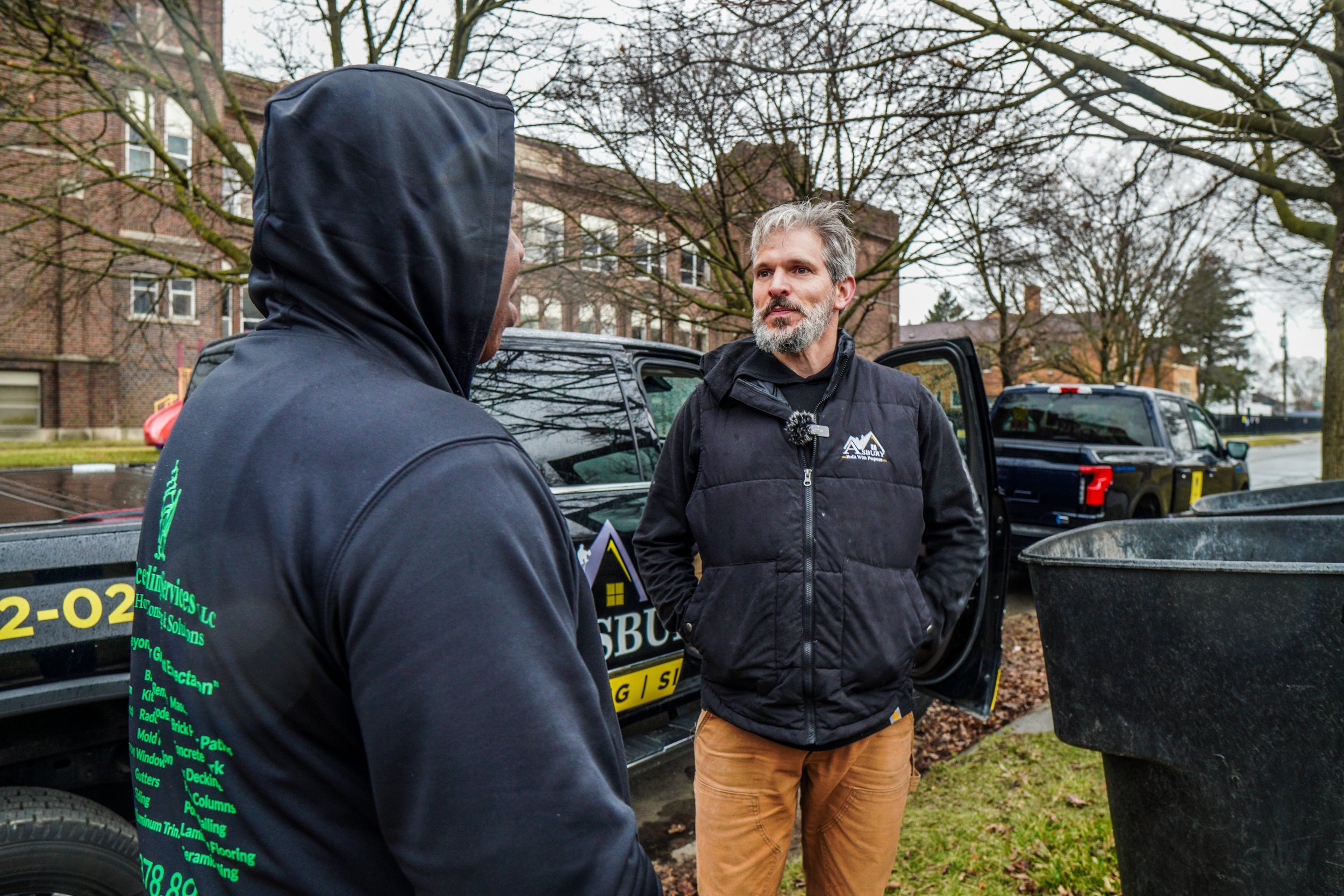
Image: the owner John at the solar installation job site
What Buyers May Care About
If you ever sell your home, buyers may ask:
Is the solar system owned, leased, or financed?
How old are the panels?
What is the roof condition under the panels?
What are the average electric bills?
Is there battery storage?
What warranties or service agreements exist?
What happens if the roof needs work?
Are there documents showing system performance?
Those are reasonable questions.
The more clearly you can answer them, the easier it is for solar to feel like a feature instead of a mystery box.
Solar Value Is Not One-Size-Fits-All
Studies and market reports often show that solar can increase resale value, but the amount depends on the home and the market.
Factors include:
Local electricity rates
Buyer demand for energy-efficient homes
System size
System age
Ownership structure
Roof condition
Battery storage
Solar production
Home location
Appraisal and real estate market conditions
In other words, solar is not a magic sticker you put on the house that says “+7% value.”
It is an upgrade that works best when the system is properly designed, properly installed, clearly documented, and sitting on a roof that is actually ready for it.
Wild concept: doing the project right helps.
The FTC Reminder: Do Not Get Sold A Fantasy
The FTC warns homeowners to understand solar contracts, savings claims, utility arrangements, and whether they are buying, leasing, or entering a PPA before signing.
That matters because solar can be a great move, but homeowners should avoid pressure tactics, vague savings promises, and anyone acting like paperwork is optional.
Good solar decisions are built on real numbers:
Your electric usage
Your roof condition
Your utility rules
Your financing terms
Your long-term plans
Your actual goals
The goal is not to win a sales pitch.
The goal is to make your home smarter.
The Bottom Line
Solar panels can increase home value, especially when the system is owned, well-documented, and installed on a roof that is in good shape.
But solar value depends on the home, the roof, the system, the contract, the market, and the buyer.
Before installing solar, start with the roof. Make sure it is ready for long-term equipment, storm exposure, Michigan weather, and the future buyer who will absolutely ask questions.
Asbury Roofing & Solar helps homeowners in Rochester, Oakland County, Macomb County, and nearby Southeast Michigan communities think through solar the right way: roof first, system second, sales nonsense nowhere.
Wondering if your roof is ready for solar?
Schedule your free estimate with Asbury Roofing & Solar: https://asbury.fillout.com/preproductionform
Or call: 248-965-0731